Published on July 25, 2024
When someone says carbonated drinks, what is the first thing that pops into your head? Coca cola! This is called brand awareness. Brand awareness is the degree of familiarity of a brand to its end user. For a brand to be trusted, the general public must know about its products and services. Although brand awareness does depend on a company’s name and logo, it is much more than that. A company’s brand awareness is its aesthetics, how the customers experience its service, and how it sells its story. Brand awareness is usually the combination of the characteristics of a company that distinguishes it from others and creates its unique identity. Let us answer the question ‘What is brand awareness?’ by learning its importance, how it works, and how you can improve it!
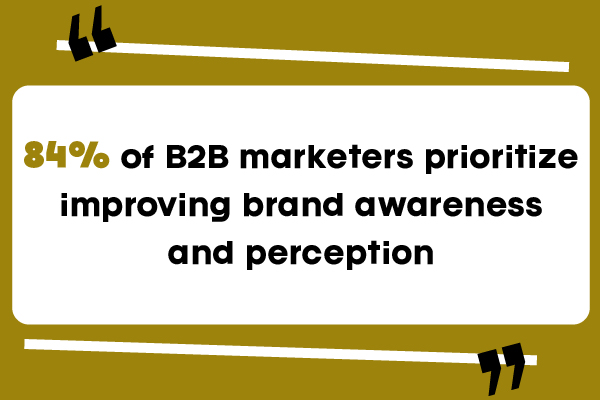
In simple words, Brand awareness is how recognizable and familiar your company is to its potential buyers. It is what keeps your brand at the top of your customers’ minds. When the public knows about your brand, it increases sales. People would prefer buying from a brand they are familiar with to a new or unknown brand. In B2B brands, 84% of marketers say that improving brand awareness, or how their brand is perceived, is their top marketing priority.
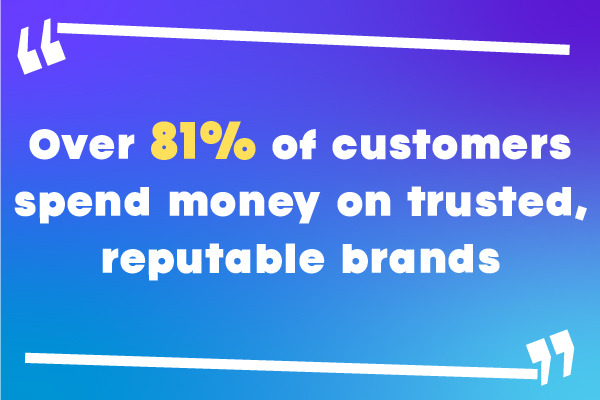
Statistics show that over 81% of customers spend money on a reputable brand they trust. Trust is fostered among customers when your brand is personified. With a unique identity, you can build customer trust and loyalty. Brand awareness makes customers visualize your product or service when they hear its name.
The answer to this question is simple. A higher level of brand awareness means more sales. Companies that maintain constant levels of brand awareness usually have better sales and return on investment. Brand awareness campaigns seek to familiarize the audience with the brand through advertisements, social media, and promotions.
Starbucks coffee and Target coffee might taste the same when poured out in similar containers, but people prefer Starbucks over any other coffee because of its brand awareness. Starbucks has created the image in the mind of its audience that it is the best coffee through TV spots, social media, and paid advertisements. With a 90% awareness rate, Starbucks does a business of over 8.5 billion dollars every year in the US alone. That’s how brand awareness works!
People who don’t know what is brand awareness often confuse it with brand recognition or brand recall. The truth is these terms are often used interchangeably but have very different meanings from a technical point of view. You can consider brand recognition and recall as aided and unaided types of brand awareness. Nike has a 94% brand awareness rate, which is a sum of 63% aided and 31% unaided awareness.
In aided brand awareness, your marketing campaigns are aided by pictorial or visual representations of your brand. It means how many people recognize your brand from a list or group of other similar brands’ names and logos. It indicates the extent of minimal awareness that customers have about your brand.
In unaided brand awareness, you advertise the brand by promoting your business's product or service category. For example, if you are a perfume brand, the awareness would be on the importance of smelling good. When someone wants to buy a perfume, they would recall your brand. Brand recall is an easy way to assess whether the company is at the ‘top of the mind’ of the audience or not.
Brand recall and recognition are widely used to evaluate the effectiveness of a company’s marketing campaigns.
Once you have figured out what brand awareness is, you must know how to measure it. Measuring brand awareness is important to know where your brand is positioned in the market. Without this knowledge, all your marketing campaigns would be futile. You must be aware that your promotional strategies are effective in creating positive brand awareness or not. You can measure your brand awareness in 4 easy ways:
You can conduct surveys using two types of samples: one from existing customers to evaluate the effectiveness of each marketing channel and the other from a random group of people to ask them if they have ever heard about your brand. The second approach will provide you with insights into how many people can recognize your brand out of context.
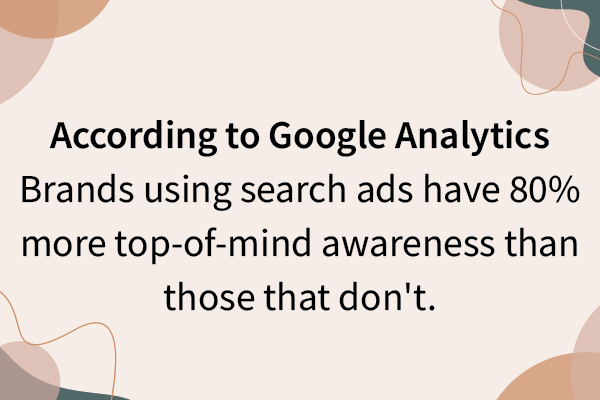
Google Analytics helps you find out how many people are visiting your website and with what frequency. Website traffic is even more important for online stores. If you are bringing new business through websites, then you should be satisfied that your online campaigns are working. Google Analytics showed that brands that do search ads have 80% more ‘top of the mind’ awareness than those that don’t.
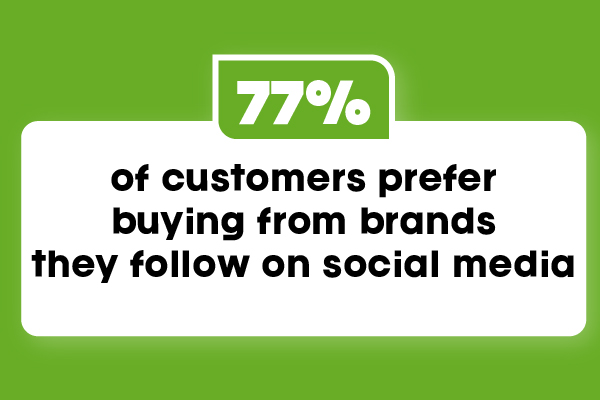
An easy way to evaluate what is brand awareness of your business, is by evaluating the reach of its social content. How many people follow you on social media and the number of likes, views, and shares can give good insights into how many people have been exposed to your content. 77% of customers prefer buying from brands that they follow on social media.
If your brand has a unique name or product, you can track how many people searched about it through Google Trends. You can track the effectiveness of your strategies if your search volume is increasing. However, it won’t work if your name has generic terms like ball or bread.
For a new company, achieving brand awareness overnight is impossible. You need a series of simultaneous efforts and promotional strategies to familiarize your audience with your product. You can enhance your brand awareness in the following ways:
Brand awareness can be enhanced by personifying your business. Creating a persona helps you build a connection with your audience. A mascot like McDonald’s or creative logos like Target creates a voice for your brand that resonates with your customers. Colors also influence brand recognition by up to 80%. Giving your brand a personality will ensure that it stays at the ‘top of the minds’ of your customers.
Create high-quality and engaging content to be posted on your social media. Create visual content that is immediately recognized by customers. Aesthetically pleasing and engaging content is appreciated by the followers and shared with other users, which increases brand awareness. Use trending hashtags because 72% of LinkedIn users believe it improves awareness. You can also use business automation to send personalized emails to improve your brand recognition.
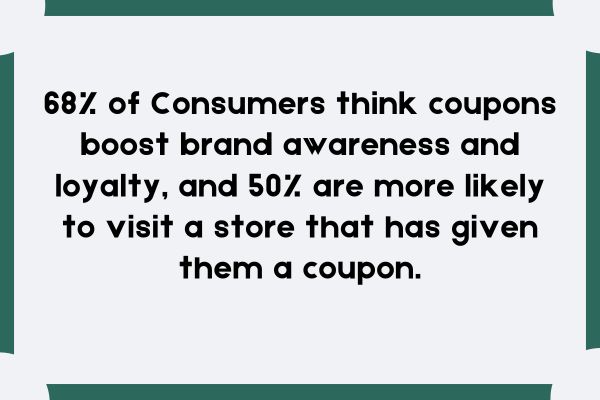
Offering coupons and discounts can be a great initiative for a newly launched brand to improve brand awareness. 68% of consumers believe coupons build brand awareness and generate loyalty, and 50% are likelier to visit a store that has given them a coupon. In this way, coupons attract new customers and encourage existing customers to repeat purchases.
New companies should collaborate with social influencers to improve their brand awareness. You can send them your products as PR packages for them to review. You can also collaborate with other brands. Partnering with other brands can help you achieve 4 times of brand awareness that you would have alone. 68% said co-marketing highly influences their buying decisions.
Creating a short and catchy slogan for your brand will work wonders in promoting its brand awareness. For example, when you hear ‘Nike,’ your brand immediately says, ‘Just do it’. Similarly, with McDonald’s, you associate the phrase ‘I’m Lovin’ it.’
What is brand awareness? How does it work? How to measure it, and how to improve it? We have answered all these questions. But what is the ultimate goal? The goal is to subconsciously associate the actions or products you sell with your brand. If you are a coffee brand, a sleepy person should think of it when he wakes up. You need to associate with the needs of your customers. The ultimate goal is to encourage consumers to prefer your brand over others. The better the brand awareness, the higher your business sales will be.
Takeaway:
Brand awareness has a high impact on the success of your business. Knowing what is brand awareness and its implementation in your marketing campaigns would have positive effects on your business growth. Keep your efforts consistent because it takes a lot to create a good reputation but so little to lose it.