Published on May 21, 2025
Sales promotions are frequently used to effectively sell items or services to optimize sales, enhance customer loyalty, or raise brand awareness. They are useful when businesses are attempting to meet freshly established goals. Advertisements on TV, radio, the internet, social media, social events, limited-time discounts, selling events, coupons, and freebies are all effective sales promotion tactics for meeting business objectives. Understanding the target audience, what they consider valuable purchasing triggers, and knowing how to act in response are the first steps in developing an effective marketing strategy. There’s more to this form of advertising than meets the eye. Firms must consider the potential downsides, and how customers will react. This article helps to understand the advantages and disadvantages of sales promotions, and effectively conduct these techniques while reducing the risks.
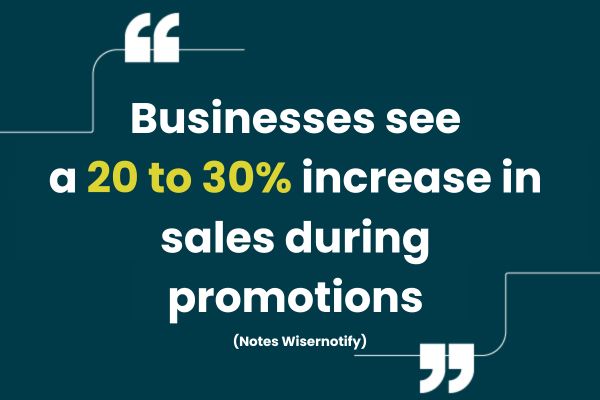
Sales promotions are an effective approach to increasing sales. Businesses see a 20 to 30% increase in sales during promotions (Notes Wisernotify). Promos help a company attract new customers. It is a marketing technique that employs discounts, bargains, and other incentives to entice customers to purchase.
As a result of a sales promotion strategy, a company can compete in the market by devoting time and resources to sales promotion. The main types of sales promotions include discounts, coupon codes, BOGO deals, flash sales, bundles, and Holiday sales.
Here are the most popular advantages and disadvantages of sales promotion:
One of the main advantages of sales promotion is a quick rise in sales volume. Customers prefer to purchase their favorite items as soon as they see businesses offering discounts or promotions. This helps generate a higher revenue over a short period.
According to a study by BusinessDasher, there’s a 22% increase in referrals for promotional products compared to sales without them. Offer discounts that were not offered before or free trials. Customers will return to buy at your brand if they are satisfied with your products and services.
Sales promotion makes the branding of the company strong. Strategies like social media contests, referrals, and first-order discounts create excitement among consumers and increase the attention around the brand and its products. Therefore, this particularly helps improve brand identity.
Popular promotions like Buy One Get One Free (BOGO) deals on large volumes are common marketing strategies that retailers use to attract customers to buy in bulk. This approach helps sell off excess stock as customers purchase more, thus increasing sales.
Sales promotion strategies like free trials, free samples, or special discounts are used for new products. This strategy helps gain customer interest and alleviates the stress of trying unknown products.
Special promotions for loyal customers improve brand-customer connections. Offer loyalty programs and unique discounts for returning customers. These stimulate repeat purchases and boost brand loyalty.
Promotional sales allow brands to remain customer-centric and relevant within a competitive environment. If there are flyers and advertisements with marketing discounts from competitors, companies tend to follow suit to ensure they do not lose customers.
Increased sales are identified as an advantage of using coupons as a type of sales promotion. Coupon marketing is a great technique for sales promotion. Websites like NamoBOT.com, a prominent digital coupon platform, provide consumers with exclusive savings while allowing businesses to reach a larger audience. Brands may successfully engage new and existing customers by offering coupons on these channels, resulting in better conversions.
Here are certain disadvantages of sales promotion, which may arise if the strategy is not implemented strategically:
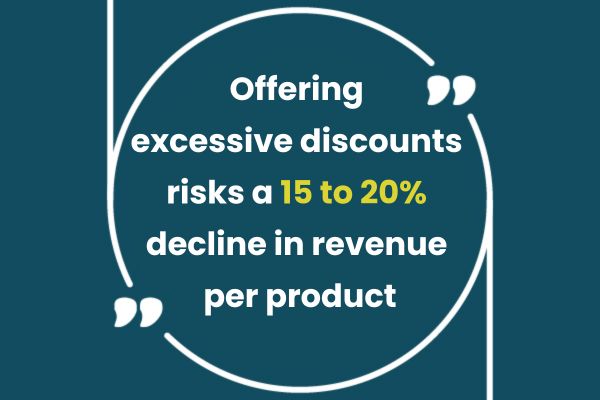
You might think “What is the disadvantage of using coupons as a sales promotion?” It may result in a decline in a company's profit margins. According to research, offering excessive discounts risks a 15 to 20% decline in revenue per product, impacting overall profitability.
Customers who rely heavily on sales promotions may come to expect discounts regularly. This is one of the sales promotion disadvantages that results in a perception of a reduced value for the product or brand. This may have an adverse effect on the company's long-term positioning.
Sales promotions frequently attract bargain hunters who are unlikely to become repeat customers. One of the disadvantages of sales promotion is that such shoppers may switch to competitors that offer better discounts, lowering the retention rates of your business.
Successful sales promotion marketing sometimes causes stock shortages, leaving some customers disappointed. If a company fails to match the strong demand generated by a promotion, it risks losing credibility and possible future sales.
One of the most common misunderstandings among businesses is believing that offering a discount, or sales promotions can influence customers' perceptions of their items. Unfortunately, a lack of trust from clients might be the death of your business.
A balanced approach helps businesses to maximize the advantages of sales promotion while minimizing the cons. Here are a few recommendations:
Final Thoughts
Finally, promotional sales promote sales efficiently, attracting customers and strengthening brand loyalty. In addition, they provide many more benefits according to the discussion above. However, they also take risks such as low profits, devaluation of brands, and lack of stock. While helping companies remain competitive and launch new products, they cannot change customers' perceptions or create long-term faith. To succeed, companies must use a balanced approach: limit the strategic offers, invest in durable models, and use platforms to effectively target the audience. By weighing the advantages and disadvantages of sales promotion, companies can maximize profits, reduce risk, and ensure permanent growth and customer satisfaction.