
Published on March 17, 2026
Travel promises excitement, discovery, and a break from routine. Yet, for many people, the planning phase can feel overwhelming. Rising prices, endless booking options, and fear of making poor choices often turn excitement into stress before the journey even begins.
Traveling smarter isn’t about chasing the cheapest deal or planning every minute. It’s about focusing on a few key decisions that have the biggest impact: destination, timing, transportation, accommodation, and experiences. When these are planned thoughtfully, travel becomes smoother, more affordable, and far more enjoyable.
This guide follows the natural flow of a real trip, from deciding where and when to go, to booking transportation, packing wisely, choosing the right accommodation, and enjoying experiences without pressure.

Choosing when to travel is just as important as choosing where. The destination you choose shapes the entire journey, but timing often determines whether that journey feels stressful or effortless. Many travelers focus only on where they want to go, forgetting that when they go can drastically change prices, crowd levels, and overall enjoyment.
Off-peak and shoulder seasons are often overlooked, yet they offer some of the best travel experiences. Flights are cheaper, accommodations are easier to book, and popular attractions feel far less rushed. According to Skyscanner, travelers who avoid peak travel periods and remain flexible with dates can save up to 30% on flight prices.
Beyond savings, traveling outside peak seasons allows destinations to feel more authentic. Locals have more time, restaurants are less crowded, and daily life unfolds naturally rather than being shaped around tourism.
For travelers interested in alpine regions or nature-based holidays, Montagne Vacances simplifies destination planning by offering mountain accommodations across Europe. Instead of comparing dozens of individual listings, travelers can explore chalets, lodges, and cabins while considering seasonal availability and pricing in one place.
How to choose wisely:
Transportation is often the biggest slice of a travel budget, and making smart choices here can save you money, reduce stress, and set the tone for the whole trip.
In today’s world, digital tools have transformed the way we travel. Industry forecasts show that by 2026, 65% of all global travel bookings are expected to be made online, driven by digital platforms and mobile technology adoption. Mobile devices already account for a significant portion of traffic to travel and hospitality websites. Ystats.
This means you can compare prices, track schedules in real time, and make adjustments on the go, all from your phone.
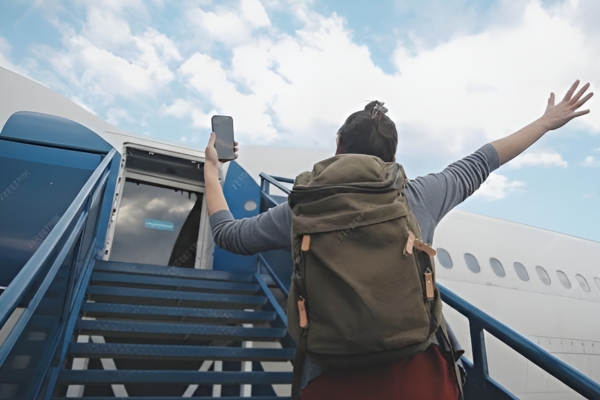
A cheap flight isn’t always the best choice. Long layovers, inconvenient arrival times, or hidden baggage fees can quickly erase any savings. The key is to balance price with comfort and convenience. Platforms like GoToGate, Mytrip, and Flightnetwork make this easy, letting travelers compare airlines, dates, and nearby airports side by side, saving both time and money.
Timing your booking also matters. According to Google Flights data reported by Forbes, for international travel, the average lowest airfares tend to be found around 101 days (about 3–4 months) before departure, and booking at least 50+ days in advance still usually gives you better prices than waiting until closer to departure day. Forbes
For those who prefer a simpler approach, FlyKube offers curated travel packages that bundle flights and accommodation, making it easy to plan a trip while seeing the total cost upfront.
Helpful tips for smart flight planning:
Knowing when to fly and when to book often matters more than which airline you choose.
.jpg)
Flights aren’t always the best option. For shorter distances or scenic routes, road travel can be flexible, economical, and even a part of the adventure itself.
Platforms like FlixBus connect major European cities with comfortable seating, Wi-Fi, and flexible ticketing, making bus travel a convenient, budget-friendly choice. For airport-to-city transfers, one of the biggest advantages of road travel is the freedom to explore small towns, hidden spots, and scenic routes between destinations, experiences that flights often skip entirely. It’s not just about getting from point A to B; the journey itself becomes part of the trip.

Road travel tips:
Packing efficiently enhances mobility, reduces stress, and prevents unnecessary expenses.

Well-packed luggage allows seamless movement between flights, buses, or accommodations, leaving more time for experiences.
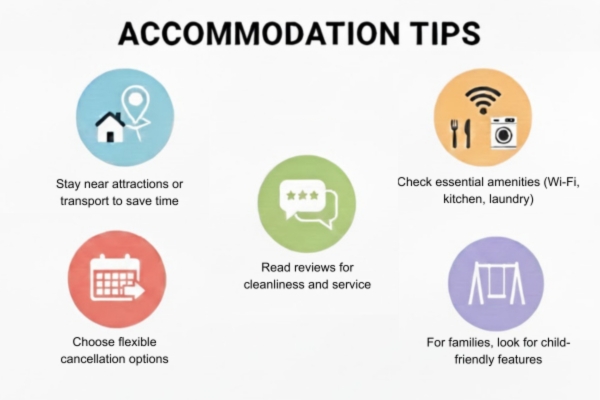
Where you stay can significantly shape your travel experience, affecting your comfort, convenience, budget, and overall enjoyment. In fact, accommodation typically accounts for 25–35% of a traveler’s total trip cost, making it one of the most important decisions when planning a journey.
The right lodging doesn’t just provide a place to sleep; it can enhance your mood, save time, reduce stress, and even create unforgettable moments. Travelers seeking unique or romantic experiences increasingly choose boutique hotels, eco-lodges, cabins, and themed stays. According to travel trend reports, over 40% of modern travelers now prefer “experience-based” accommodations over traditional hotels, valuing atmosphere, scenery, and character.
For families or group travelers, vacation rentals and serviced apartments often offer better value and comfort. Studies show that groups staying in rentals can save up to 20–30% on food costs thanks to kitchen access and shared spaces. Larger accommodations also provide more privacy, flexibility, and a home-like environment ideal for longer stays.
Location matters just as much as the property itself. Staying near major attractions or public transportation can cut daily travel time by up to 50%, helping travelers spend more time exploring and less time commuting.
Activities are what make a trip truly memorable. Without planning, long waits, sold-out tickets, or poorly timed visits can turn an exciting day into a stressful one. Thoughtful preparation ensures you get the most out of each experience.
Platforms like Tiqets make it simple to pre-book museum tickets, city tours, and attractions, helping travelers skip long lines, secure preferred time slots, and sometimes access discounts not available on-site.
Practical tips for better experiences:
A good rule:
Plan the highlights. Let the rest happen naturally.
Even the most carefully planned trips benefit from leaving room for spontaneity. While itineraries help organize flights, accommodations, and key activities, some of the most memorable moments happen unexpectedly.
It’s important to remember that not everything needs to be scheduled down to the minute. Overplanning can create stress, reduce mental peace, and even make you feel rushed, which diminishes the joy of travel. Allowing pockets of unplanned time gives your trip freedom to breathe, letting curiosity and local experiences guide you.
.jpg)
Travel doesn’t have to be complicated or stressful to be meaningful. The most rewarding journeys are created through a balance of thoughtful planning and the freedom to explore without pressure. When key elements like transportation, accommodation, and activities are organized in advance and by using the right deals and apps, travelers gain the confidence to focus on what truly matters: experiences, moments, and memories.