
Published on September 18, 2024
Owning a business is everybody’s dream, but only a few are capable of facing the challenges that come with it. The recent inflation surge around the globe has created an unpredictable economic landscape. In such uncertain times, businesses need to cut off unnecessary expenses and have savings to fall back on. Small and middle-sized companies looking to improve profitability on a limited investment must learn business cost reduction strategies. Today we will discuss top cost reduction strategies, why you need them, and how to lower the expenses of a business to improve productivity.
A business cost reduction strategy is a plan to identify and reduce the expenses of operating the business without compromising on the quality of services or products. the ultimate goal of cost reduction strategies is to increase profitability by cutting expenses that don’t lead to productivity. Whether big or small, a business should cut unnecessary expenses and allocate the funds to productive channels. Cost reduction improves cash flow and helps you stay competitive.
A business is successful only if it yields more profit than the running costs. Many new businesses spend too much on startups but don’t bring enough revenue to keep the operations running. Strategic planning is required to cut unnecessary costs and improve productivity. But it is easier said than done. Balancing a business's operational expenses is a difficult task. A company can reduce operational costs while staying profitable with the right cost-saving strategies.
There are different ways to minimize the operational costs of a business depending on the size and type of the business. Some strategies are obvious, but others are technical and can result in exceptional savings. The key is to prioritize expenses based on their productivity. Here are the top 10 cost reduction strategies for your business.
The first step in cost reduction in a business is strategic planning. Strategic planning allows you to set realistic goals. This way, you'll easily assess whether your goals are worth achieving. Goals should be specific and defined. You also need to set benchmarks for measuring progress. Finalize a budget, and then start eliminating unnecessary expenses to meet it.
Strategic planning involves evaluating where your investments go. Pull out all the data on expenses and sort them on a priority basis. A comprehensive financial business plan will streamline the process of strategic cost reduction.
An essential and straightforward cost-cutting strategy is cutting down the supply costs. An average American company spends 42% of its investments on manufacturing costs. This cost can be brought down by negotiating the costs of supply and raw materials. Vendors usually charge new businesses more for the raw materials, resulting in higher supply costs.

Negotiating with vendors and building long-term relationships with them should reduce costs. If you can’t get a good price from a vendor, compare prices with other vendors in the market. You can get office supplies in bundle deals from platforms like Amazon, Walmart, and Target.
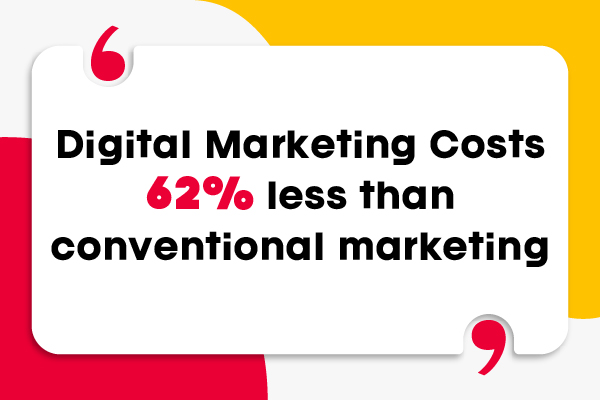
A very well-known cost reduction strategy is to innovate your marketing efforts. Traditional marketing techniques like TV, newspapers, and advertisements are good but can take up a big part of your budget. Shift your marketing efforts to a more targeted and cost-effective direction, digital marketing. Digital marketing costs 62% less than conventional marketing.
If you spend a lot of money on traditional marketing and advertising, digitizing your efforts will be more cost-effective. Email marketing and social media advertising can be highly effective with little investment.
A workforce is a combination of people with different levels of potential. It is very unlikely that all employees are over-achieving. You can reduce the costs of wages and human resources by replacing underperforming employees with AI. You don’t have to lay off existing employees, but you can get more efficient and cost-effective results with AI.

Integrating AI results in 14% more productivity in white-collar jobs than in manual labor. The enhanced productivity comes with reduced costs. A 2023 report shows that financial service professionals claim that replacing labor with automation has resulted in 10% cost savings.
One of the best cost-reduction strategies for new businesses is to operate remotely. We have seen during the pandemic that working from home is an effective alternative to working from an office. Remote jobs reduce the costs of running and maintaining an office. You save money on rent, electricity, water, internet, etc. You don’t have to pay for cleaning services.
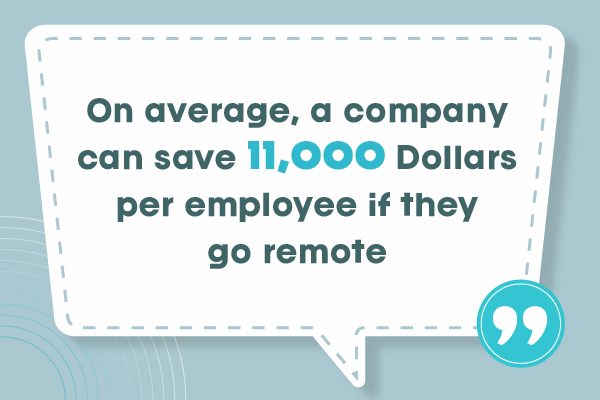
Remote work also results in better productivity. It results in lower employee absenteeism as people prefer working from home. You can hire better-qualified professionals from anywhere in the world without providing relocation. On average, a company can save 11,000 dollars per employee if they go remote.
Time is just as important a resource as money in business. Saving time is another business cost-saving strategy. Making better use of your time will help you save money by increasing your productivity. Eliminate distractions and time-wasting activities, such as unnecessary meetings, allowing employees to focus and maximize their workday. Other focus-boosting apps encourage people to concentrate on their tasks.
You can save time by automating tedious tasks like emails and data analysis, freeing up time and resources for important tasks.
Small business tax relief refers to government-provided tax benefits, deductions, credits, and incentives designed to help small businesses decrease their tax burden. These relief measures are intended to encourage growth, investment, and hiring in small firms by making the tax system more favorable to them. Seek tax relief as a cost reduction strategy.
If your business is participating in research and development, you can claim the cost of your initiatives as tax deductions. You may also qualify for small business rate relief on your property. Tax-deductible expenses cover many sectors, including office supplies, automobile fuel, and marketing charges.
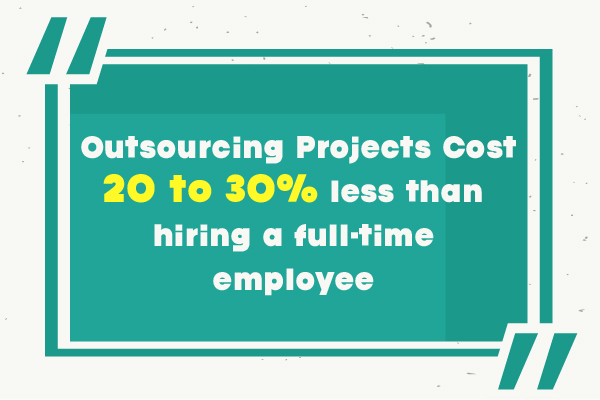
Another cost-cutting strategy for a new business is to outsource software development tasks. Software development projects demand a high skill level, and employing full-time professionals with solid coding abilities can be costly. A new business in the developing stage can’t afford a workforce with many professionals. So, consider outsourcing such work to a partner who can complete the project for far less than it would cost to employ someone permanently whose professional skills are not needed daily. Outsourcing projects cost 20 to 30% less than hiring a full-time employee.
A business needs to register a domain. Domain is the identity and address of a business. However, you need to pay a fee for the domain. Domain registrars may provide an initial registration price less than the renewal fee. Renewal prices are the fees charged to extend the ownership of a domain name. It is usually more expensive than the initial registration charge.
A cost reduction strategy is to choose Namobot.com for providing a domain name for your website, it offers various business software services, making managing finances easier for new businesses like you can get coupon and discounts on various of services and softwares from.
Last but not least, keep track of your expenses. For strategic cost reduction, you must be aware of your performance. This strategy is the essence of all the above-mentioned strategies combined. By tracking your expenses, you can set limits to your costs, make better judgments, avoid late fee penalties, and plan for the future.
Tracking expenses and performance allows you to allocate saved-up funds to important expenses for the business.
Most reducing costs initiatives fail because they are overly ambitious, lack a defined strategy, and do not have leadership support. Unfortunately, over half (43%) of cost-cutting efforts fail. If you want to advance your business beyond fascination and become more efficient, you'll need a plan. The goal should be to reduce costs and enhance profits while maintaining service and employee morale.
For cost-cutting strategies to be successful, businesses must understand how each overhead area supports corporate strategy and contributes to attaining goals and objectives.
Takeaway:
Understanding how to cut costs in business is critical for saving time and money year-round. Implementing cost reduction strategies such as lowering your supply costs, utilizing automation technologies, and tracking your financial accounts regularly can make a major difference in effectively saving costs in your business. You'll discover that there is more room in your budget to invest in what is most important to your company and productivity.